
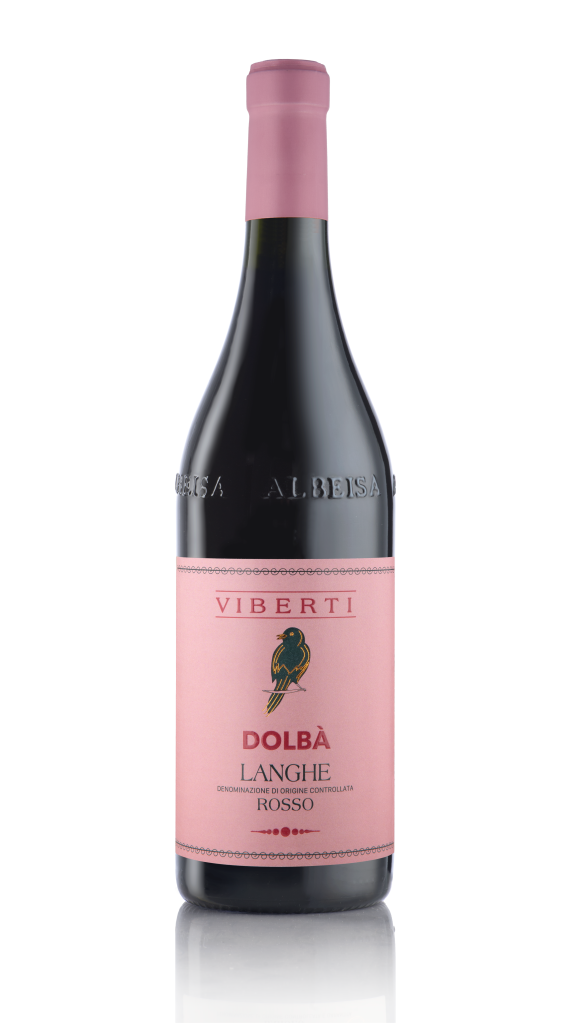
Lorem ipsum dolor sit amet, consectetur adipiscing elit. Morbi eu nulla vehicula, sagittis tortor id, fermentum nunc. Donec gravida mi a condimentum rutrum. Praesent aliquet pellentesque nisi.

Short story

Dolbà was born from a simple yet ambitious idea: to describe Langhe and Piedmont using clear, contemporary, and immediate language.

It is a wine designed to welcome, not intimidate. Dolcetto brings energy, freshness, and a distinct territorial identity; Barbera rounds out the profile, making it softer and more accessible. Together they create a natural red wine for the table, easy to understand and immediate to choose.

A wine created from a precise blend: 60% Dolcetto from the heart of Dogliani and 40% Barbera from the La Gemella estate in Barolo. A small portion of whole cluster fermentation introduces a delicate carbonic effect, which enhances the aromatic profile and gives the wine a vibrant freshness.

Immediacy dominates the nose and palate: bright red fruit, a subtle hint of almond, and a soft, round finish that invites you to take another sip without needing any explanation. A wine that speaks to a new generation discovering Piedmont with curiosity and freedom, less interested in hierarchies and more in authentic pleasure. It is terroir without heaviness, identity without nostalgia.

With Dolbà,Claudio Vibertiredefines what an everyday Langhe red can be: contemporary, expressive, meticulous in detail, a wine that does not proclaim tradition, but lives it naturally.

SPECIFICATIONS

Type: red wine
Grape varieties: Dolcetto and Barbera
Name: Langhe DOC Rosso
Production area: Valdibà vineyard in the municipality of Dogliani and Vergne, at the top of the village of Barolo.
Harvest start date: September 20

ANALYTICAL VALUES

→ Alcohol content: 13.5 % vol.
→ Total acidity: 5.5 g/l
→ First year of wine production: 2023

CLIMATIC TREND

The winter and late spring 2023 were characterized by warm weather and poor rainfall. Starting in the second decade of May, there was heavy rainfall, ending in mid-June, which encouraged a new vegetative push, especially in the southwestern part of the Barolo district. July and August experienced high temperatures and an absence of rainfall, generating marked water stress that affected plant development. Production was at average levels, but with a particularly interesting aromatic and chromatic concentration.

Organoleptic Characteristics

→ Color: intense ruby red
Aromas: red fruits, almonds, and raspberries
Serving temperature: 16-18° C
Ability to evolve: 3-5 years

Vinification

Thinning in the vineyard in August and further selection during grape harvest. Harvesting took place in 20 kg crates.

All Nebbiolo vineyards are vinified separately . After destemming ,Alcoholic fermentation and concomitant maceration on the skins lasted depending on the parcels from 10 to a maximum of 16 days, partly in submerged-cap rotovinifiers and partly in emerged-cap vinifiers. This was followed by spontaneous malolactic fermentation in steel tanks.

Refinement

Barolo Buon Padre is aged for 36 months in truncated conical vats of unroasted French oak, with capacities ranging from 25 to 50 hectoliters, depending on the cru of origin. Each vineyard is harvested, vinified and aged separately so as to preserve its specific characteristics. At the end of aging, the individual wines are blended to create the final cuvée, an expression of the balance and complexity of Barolo Buon Padre. Bottling takes place a few weeks after blending, without any filtration, followed by an additional 6-12 months of bottle aging before release.